

Introduction
Overhead power lines play a critical role in the transmission and distribution of electricity across vast distances. However, these power lines are also vulnerable to various factors that can lead to failures, causing disruptions in the supply of electricity and posing safety hazards to the public. Understanding the causes of overhead power line failures and implementing effective analysis methods are essential for maintaining the reliability and efficiency of the power grid. In this article, we will explore the common causes of overhead power line failures, discuss the methods used for failure analysis, and highlight preventive measures to mitigate the risks associated with these failures.
Causes of Overhead Power Line Failures
1. Weather-related Factors
Weather-related factors such as high winds, lightning strikes, ice storms, and heavy snow can cause significant damage to overhead power lines. High winds can lead to line galloping, where the lines sway excessively, putting stress on the structures and hardware. Lightning strikes can cause insulation breakdown and flashover, leading to short circuits and equipment damage. Ice storms and heavy snow can accumulate on the power lines, increasing the weight and potentially causing the lines to sag or break.
2. Equipment Failure
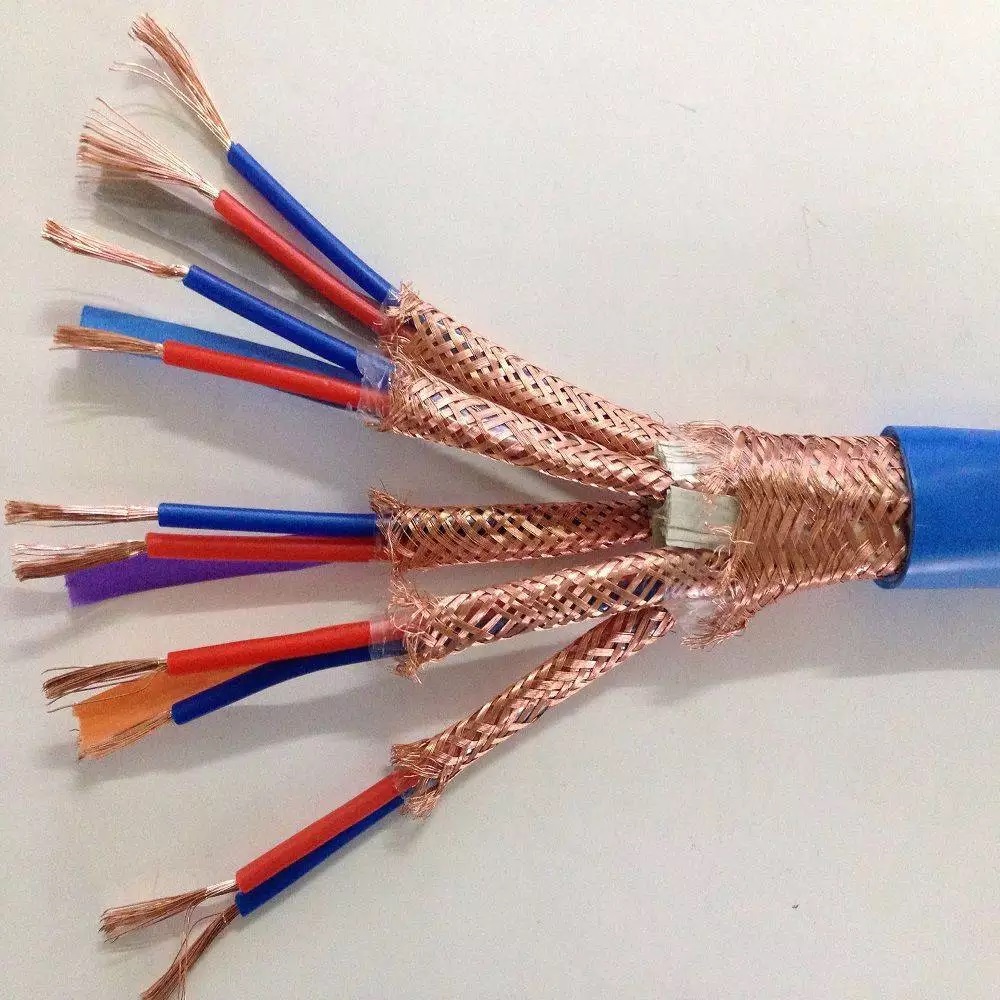
Equipment failure is another common cause of overhead power line failures. This can include insulator failures, conductor corrosion, hardware fatigue, and transformer malfunctions. Insulators provide electrical insulation and support for the power lines, and their failure can result in line faults and flashovers. High flex life control cables can weaken the structural integrity of the lines, leading to breakages. Hardware fatigue due to aging or improper maintenance can cause structural failures, while transformer malfunctions can disrupt the flow of electricity along the power lines.
3. Vegetation Encroachment
Vegetation encroachment is a significant cause of overhead power line failures, especially in areas with dense foliage. Trees and branches that come into contact with power lines can cause short circuits, line faults, and equipment damage. Vegetation can also create a pathway for wildlife to access the power lines, increasing the risk of animal-related outages. Proper vegetation management practices such as tree trimming and vegetation clearance are essential to prevent these failures.
4. Human Factors
Human factors, including errors in design, construction, maintenance, and operation, can lead to overhead power line failures. Poorly designed structures, inadequate construction practices, subpar maintenance procedures, and operator errors can all contribute to failures in the power lines. Neglecting to follow safety protocols, improper equipment handling, and lack of training can also result in accidents and outages.
5. External Interference
External interference from sources such as construction activities, vehicle collisions, and vandalism can cause damage to overhead power lines. Construction equipment coming into contact with power lines, vehicles crashing into poles, and deliberate acts of vandalism can all result in line failures. Proper coordination with external stakeholders and enforcement of safety measures are essential to prevent such incidents.
Methods for Overhead Power Line Failure Analysis
1. Visual Inspection
Visual inspection is a fundamental method for assessing the condition of overhead power lines. Inspectors visually examine the lines, structures, hardware, and surrounding environment to identify signs of damage, wear, or other issues that may lead to failures. Visual inspection can reveal defects such as corrosion, rust, loose fittings, and vegetation encroachment. Regular visual inspections help identify potential problems early and prevent catastrophic failures.
2. Infrared Thermography
Infrared thermography is a non-destructive testing method used to detect heat anomalies in electrical equipment and power lines. Thermal imaging cameras are used to capture temperature variations along the power lines, which can indicate loose connections, overloaded components, or other issues that may lead to failures. Infrared thermography is particularly useful for identifying hot spots in electrical connections and equipment, enabling proactive maintenance to prevent failures.
3. Ultrasonic Testing
Ultrasonic testing is another non-destructive testing method used to assess the integrity of overhead power lines and related equipment. Ultrasound devices are used to detect internal defects such as cracks, voids, and corrosion in metal components. Ultrasonic testing can identify hidden flaws that may compromise the structural integrity of the power lines, allowing for timely repairs or replacements to prevent failures.
4. Power Quality Analysis
Power quality analysis involves monitoring and analyzing the electrical parameters of the power lines to identify abnormalities that may indicate potential failures. Parameters such as voltage fluctuations, harmonic distortion, and power factor can provide insights into the health and performance of the power lines. Power quality analysis helps detect issues such as overloading, insulation breakdown, and equipment malfunctions that can lead to failures.
5. Failure Mode and Effects Analysis (FMEA)
Failure mode and effects analysis (FMEA) is a systematic method for identifying potential failure modes in overhead power lines and assessing their potential consequences. FMEA involves evaluating the likelihood of failure modes occurring, the severity of their effects, and the ability to detect and mitigate them. By conducting FMEA, utilities can prioritize preventive actions, such as equipment upgrades, maintenance programs, and operational changes, to reduce the risk of failures.
Preventive Measures for Overhead Power Line Failures
1. Regular Maintenance
Regular maintenance of overhead power lines is essential for preventing failures and ensuring the reliability of the power grid. Maintenance activities such as visual inspections, vegetation management, equipment testing, and structural upgrades help identify and address potential issues before they escalate into failures. Establishing a comprehensive maintenance program that includes preventive, predictive, and corrective maintenance tasks is key to minimizing downtime and outages.
2. Adequate Design and Construction
Proper design and construction practices are crucial for ensuring the structural integrity and performance of overhead power lines. Designing structures to withstand environmental conditions, selecting high-quality materials, and following industry standards and regulations are essential steps in preventing failures. Adequate construction practices, including proper installation of hardware, insulators, and conductors, help minimize the risk of equipment failures and line faults.
3. Training and Education
Training and educating personnel involved in the design, construction, maintenance, and operation of overhead power lines are essential for preventing failures. Providing comprehensive training programs on safety protocols, maintenance procedures, equipment handling, and emergency response can help reduce the likelihood of human errors and accidents. Continuous education on industry best practices, technological advancements, and regulatory requirements is key to maintaining a culture of safety and reliability.
4. Emergency Response Planning
Developing and implementing emergency response plans for overhead power line failures is critical for minimizing the impact of outages and ensuring timely restoration of service. Establishing communication protocols, mobilizing response teams, coordinating with relevant stakeholders, and maintaining contingency supplies are essential components of effective emergency response planning. Conducting regular drills and exercises to test the readiness of the response teams helps improve the efficiency and effectiveness of the response efforts.
5. Technology Integration
Integrating advanced technologies such as remote monitoring, predictive analytics, and automation systems into overhead power line operations can enhance the reliability and efficiency of the power grid. Remote monitoring systems allow real-time monitoring of power lines and equipment, enabling early detection of issues and proactive maintenance. Predictive analytics tools help forecast potential failures based on historical data and performance trends, enabling utilities to take preventive actions. Automation systems such as self-healing grids and fault detection algorithms improve the resilience and responsiveness of the power grid to failures.
Conclusion
Overhead power line failures can have significant implications for the reliability, safety, and efficiency of the power grid. By understanding the common causes of failures, implementing effective analysis methods, and adopting preventive measures, utilities can reduce the risk of outages and enhance the resilience of the power infrastructure. Regular maintenance, adequate design and construction, training and education, emergency response planning, and technology integration are key strategies for mitigating the risks associated with overhead power line failures. By prioritizing safety, reliability, and innovation, utilities can ensure the uninterrupted supply of electricity to meet the growing demands of modern society.